Svartalfheim & Nidavellirs
Svartalfheim is a dual land, divided above and below by the two races that live there - the Duergar, who
claim
primary ownership of the world, but who choose instead to live underground in mountain caverns; and the Dark
Alfar, who are immigrants and live partially above the earth and partially under it. As discussed in the other
chapters relating to the Alfar, I will refer to these immigrants generally as the Dokkalfar, but other
spirit-workers do refer to them (rather than the Duergar) as the Svartalfar, and this will also be considered
accurate for purposes of this book.
When the worlds broke apart in the great deluge, the Duergar found refuge on a piece of Ymir's body,
supposedly
his lower spine, and excavated themselves a world. Although trees did grow on the surface of their dark,
windy,
spine-mountainous world, the Duergar hardly cared. Instead, they dug out amazing halls under the earth, carved
with stunning artwork and architecture. When the Dokkalfar moved into the upper surface of the world, they and
the
Duergar struck a truce deal, with separate territories. Although the Dokkalfar do live in underground
dwellings as
well, theirs are generally surface caves and mounds, while the Duergar halls extend a mile or more under the
surface. They call the Duergar-inhabited part of their world Nidavellir, as opposed to not-Nidavellir, which
is
what they call anything controlled by the Dokkalfar. (The Dokkalfar have a different name for their land, but
this
author has not been given that information.) Not-Nidavellir consists of some three-quarters of the surface
lands,
and less than a tenth of the near surface caverns and tunnels.
Time and Seasons:
Svartalfheim is said to have the longest year of any of the worlds, discounting Helheim where all time and
seasons are artificially maintained by Hela. A Svartalfheim year is equal to several Midgard years. There is
little variation between summer and winter, and nothing in the way of spring and fall. The only variations
seem to
be a greater propensity to rainfall (or snowfall in the higher altitudes) during winter, and more high winds
during summer. Days, like years, are two to three times the length of days in other realms; the ratio depends
on
the realm in question. Even in summer, days are shorter than nights - maybe a little less than half the time -
and
in winter, the Sun barely shows Her face in Svartalfheim. The Dokkalfar have adapted wonderfully to an almost
entirely nocturnal existence, and indeed find the extensive daylight of other worlds oppressive.
The Duergar venture out of their tunnels only during daylight, and most of their lives are spent underground
in
a world of cavern-cities, which they can make just as bright as they choose, so the outside time and season
hardly
matters to any of them. The are aware of the seasons, though, in a rather idealized way; when they picture
them in
carvings and art, they show the lush beauty of the seasons in other worlds such as Vanaheim, Asgard, or
Jotunheim.
Indeed, the Duergar live almost as if they are pretending they are somewhere else; only a few goatherds
venture
out during the summer, and a few others on pilgrimages to shrines.
The part of Svartalfheim which the Duergar gave to the dark-elves has the same properties of glamour and
time
distortion as Ljossalfheim, but to a lesser extent, as the Svartalfar had to basically reshape the land in
one go
to suit their preferences, rather than allowing it to develop organically over many, many centuries. Time
here is
likewise unpredictable, but the disorientation for mortal visitors is not as great and the aftereffects not
as
long-lasting. Then again, mortal visitors rarely wish to linger here.
--Elizabeth Vongvisith, spirit-worker
Geography:
Svartalfheim is more difficult to get into. The dwarves operate by their own rules and have a great many
more
visitors and travelers going in and out of their realm than the elves do. Once you are inside the elf lands,
moving about is actually easier than in Ljossalfheim, as the Svartalfar don't usually care where you go once
you've earned their permission to enter in the first place. Svartalfheim is just as magically potent as
Ljossalfheim, but it's also a colder, scarier and creepier place. The dark-elves are often malicious and
untrustworthy, and few spirit-workers who wander into their realm want to hang around longer than necessary.
Flattery and wide-eyed admiration will not get you far here; cunning, a certain amount of ruthlessness and a
tangible "don't fuck with me" attitude are far more useful when dealing with the dark-elves.
--Elizabeth Vongvisith, spirit-worker
Svartalfheim is a dark, cold world; weather is steady and mostly unvaried, but there are a lot of high winds.
It
is almost entirely mountainous; the mountains are not as tall as the ranges of Jotunheim, but the land is more
entirely covered, with little in the way of sheltered valleys and lowlands. The lower mountainsides are
covered
with evergreen forests, which become more and more stunted as they gain altitude, and the upper regions are
bare
stone open to the sky. Some mountains have been entirely denuded of forest, as the Duergar strip them for
firewood
for their forges. As the only thing holding the sandy soil in place is tree roots, with the forests cut it
quickly
erodes to bare rock. The Dokkalfar have made deals to leave their forests untouched by Duergar hands, or the
entire world might have been stripped bare by this time.
This is also a dry world; there is very little rainfall and little in the way of natural surface lakes and
rivers. There is, however, plenty in the way of underground spring water, which bubbles forth from holes in
the
mountains. It is said of Svartalfheim that there are ten times the number of lakes underground than on the
surface. Heavily mineral-laden, this water is hard on ordinary agricultural crops, and anyway there is almost
no
flat and arable ground on this cold, dry, stony world to begin with. The Duergar historically survived by
trading
prolifically with other worlds; there is a steady stream of foodstuffs and fiberstuffs trickling in at any
time,
to be exchanged for their fine creations, as well as the food they raise themselves in their caves.
The lack of arable land, light, and rainfall was quite disconcerting to the Dokkalfar who came as refugees to
Svartalfheim in the wake of the Alfar War. (There has only been one such war of this extent in Alfar history,
so
when references are made to the War, everyone knows what is meant.) They were able to cut a deal with the
Duergar
for the unused above-ground land, and for a certain percentage of the Duergar-built underground caverns
(mostly
worked-out and abandoned mines), but few of the food-producing methods viable in lush Ljossalfheim would work
in
rocky, high-altitude Svartalfheim. The first few years saw starvation taking many of their number; the Duergar
would trade some food, but would not support the entire colony, and their price was high. One of the oldest
and
best-known ballads of the Dokkalfar details the selling of some of their starving number as slaves, to the
Duergar
and to Jotun traders, in order to procure sustenance for the withering Alfar. According to the ballad, every
one
of the surviving slaves bought by the Duergar were eventually, painfully, ransomed back, but few of those sold
into Jotunheim were ever returned. The song recounts that although many did not survive, some chose to stay
among
their Jotun masters or even married them - a shameful thing for the newly transplanted Alfar - but that a few
of
their half-blood offspring returned to discover their Alfar heritage.
Strangely enough, it was this handful of half-Jotun skeletons in the Dokkalfar closet that helped to save the
colony. In order to survive, the Dokkalfar adopted the cavern-growing plants of the Duergar, but these did not
even actually entirely support the Duergar, much less a race used to living on above-ground plants. However,
many
of the arboriculture methods of forested Jotunheim transplanted effectively to Svartalfheim - these were,
after
all, worlds cut from the upper and lower parts of Ymir's spine. Although Svartalfheim was more adapted to
evergreens and fewer deciduous plants would grow there, the Dokkalfar have managed to adapt handily to
tree-farming rather than ground-culture, and to breed their own food-bearing trees. They also adopted the
Jotun
custom of fortified treetop homes, although their tree cities are often spread between many trees linked
together
for safety in high winds. Because there is less rainfall or snowfall, the tree-cities are often open to the
sky.
With the long clear cold nights, and the fact that they cannot alter the sky of this world (unlike
Ljossalfheim),
stargazing and astrology has become an important art to the Dokkalfar.
The largest trees are hollowed out with spiral staircases, which twine down into the underground parts of
their
cities. In this way, they live above and below the ground, leaving the understory itself a trackless (unless
you
are Dokkalfar and you know the secret trails), lightless morass of tree roots trained to trip up travelers,
treetrunks covered in specially-bred bark so razorlike that it shreds the flesh of those who try to climb,
evergreen shrubs with needles so sharp that they easily perforate skin and even leather, swarms of stinging
heat-seeking bloodsucking insects, and the occasional patch of magical mushrooms spouting hallucinogenic and
panic-inducing spores. The trees themselves are semi-awakened, and are loyal allies to the Dokkalfar, not
above
dropping a limb or two on anyone who does not have permission to enter. Even the Duergar now no longer enter
the
Dokkalfar forests without announcing themselves.
The Dokkalfar themselves pass easily through these places, however; their night-vision is unrivaled in the
Nine
Worlds, they know the territory, and the very trees will part and allow them to pass, as well as aiding them
in
finding their way. It is said that a Dokkalfar sorcerer need only lay a hand onto the bark of a tall tree and
the
tree will send him a mental picture of the whole sky and the stars from that tree's perspective, thus telling
him
where he is. (It is also said that his payment for this information is the blood he leaves behind on the
razor-sharp bark.) The spells that weave communication between Dokkalfar and tree-spirits are all sung, which
means that they do a good deal of wandering through the forests singing their mournful, chilling songs. This
has
led to the Duergar naming their forests things like "Prickle-Pipes Wood" and "Spine-Creeping Wind Wood" and
such.
The Dokkalfar have their own names for their regions, which at this time we do not know. Getting leave to
travel
in their land usually means that one of them gives you a physical token to wear on your person that will cause
the
trees to ignore you, and also cause some major paths to seem more obvious to you. You are on your own with the
other hazards, however, including getting lost, and if you fall prey to them, they are unlikely to bother to
help
you.
I have encountered the Dark Alfar only once. I was taking a path back from a jaunt down by Niflheim and
took a
wrong road. I walked into a series of large caverns (so big I couldn't see the ceiling), a dense forest of
what
looked to be some sort of grey 'evergreens', some clearly melding into the stalactites above. I felt I was
being
watched, and I got out quickly.
--Rod Landreth, seidhmadhr
The underground cities of the Dokkalfar are perhaps less than one-tenth of all the tunnels in Svartalfheim,
and
they are all quite close to the surface. Many will be decorated with illusion such that one thinks one is
still
outside, seeing trees and stars. Travelers on good terms with the Dokkalfar are more likely to be invited down
than up; the tree cities are where the nobility live while the commoners dwell in the stone corridors. They
all
link into the deeper and more extensive Duergar tunnels, which honeycomb the entire world to a depth of a mile
or
so downwards. The borders between Svartalfheim and Nidavellir are all guarded, usually by folk of both sides,
and
there are always tolls to pay if you wish to pass from one territory to another via underground roadways.
The geography of Nidavellir is entirely created by the Duergar. In their own way, they have created a
handmade
world in the same way as the Ljossalfar, only with the work of their hands rather than with the arts of
magical
illusion and shapeshifting. No one really knows the extent of the tunnels in Nidavellir except for the Duergar
themselves, and not necessarily all of them, either. There are tales of secret tunnels so deep that they are
only
used by magical secret societies, laden with cunning traps, and to enter them is fatal. The great, well-lit
cavern
cities of Nidavellir are joined by a labyrinth of tunnels that would take decades to learn; a native guide is
really the only way to go here, and they know it. Native guides are easily available for hire at every gate;
as
long as you pay them promptly and well, they will do their best for
you.
Residents: The Dark Alfar
The history of the Dark Alfar, or Svartalfar, or Dokkalfar, as we know it, is briefly touched on in the
chapter
on the nature of the Alfar. We know little of the actual beginnings of the War, as neither side will speak
of it,
but we do know that a fleeing band of exiles came to Svartalfheim after being expelled from their home.
Apparently they got no warm welcome in Asgard or Vanaheim; Jotunheim, Niflheim, and Muspellheim were
Jotun-controlled and they did not wish to cohabit with giants and trolls; and moving in on Midgard would
invoke
the wrath of both the Aesir and the Vanir. As Helheim was only for the Dead, there was but one other choice,
and
they trooped to the realm of the Duergar and asked for shelter.
They were granted it, but the price was high. The Duergar extract a regular toll from the Dokkalfar as
rent,
and at first the Dokkalfar resented being tenant to another race which they considered inferior. By this
time,
however, the two races have come to the point of living together in reasonable peace and harmony. The
Duergar
outnumber the Dokkalfar many times over, and although the Dokkalfar control the trees on the surface, the
Duergar
are allies with most of the land-wights, including the spirits of the mountains themselves. Although they
are
canny and drive a hard bargain, they hold fairly to agreed-upon terms, and thus the Dokkalfar consider it in
their best interests not to anger their hosts. There is considerable amicable trade between them, although
they
mostly keep to themselves, and even the occasional intermarrying.
Since their exile, the Svartalfar have formed their own society which is a near mirror-image of
Ljossalfheim,
complete with a ruling House. They are less exclusive than the Ljossalfar, though they're quite a bit
scarier
and tend to fight among themselves much more (the Ljossalfar prefer intrigue and backstabbing, thinking it
more
civilized). Many years of living alongside the Duergar, who are accustomed to having visitors and friends
from
other lands, has changed their attitudes towards outsiders, and while they're still very secretive,
fiercely
loyal to their own kind and not inclined to allow many into their lands, they don't look down on people
from the
other Nine Worlds, the way the light-elves do.
--Elizabeth Vongvisith, spirit-worker
There is some evidence that Odin studied with the Dark Alfar while on his journeys; he refers to them as
the
"old men", rather cryptically. Many are fine magicians, and all love singing. The Dokkalfar speak the same
language as the Ljossalfar, but with a different tonal dialect that has evolved over time. Much of their
language
is actually sung rather than spoken, and the melodies involved give subtle extra information to the words,
making
it even more difficult to pick up everything that is being said. On the other hand, humans with strong
musical
talent have claimed to be able to pick up a good deal of meaning from the music alone, without even
understanding
the words. All Dokkalfar also speak Duergar as an automatic second language, as the Duergar rarely bother to
learn their tongue, but require that they speak in Dwarvish when communicating with them.
They do not come out during daylight hours unless they have need of something, but they swarm the woods at
sunset. There are no large beasts that live naturally in the forests of Svartalfar - and indeed if you are
chased
by one, be assured that it is a Dark Alf in shapeshifted glamour who is toying with you - but there are many
small birds and creatures that live in the trees and are hunted by the darts and blowguns of the Dark Alfar
as a
food source. They hunt in near-silence, and it is said that they are not averse to turning an unwary
traveler
into a game animal in order to hunt them through the trees and brambles, until they succumb to panic or
wounds...and, yes, the Dark Alfar have been known to kill and eat such prey.
This is, obviously, one of the more dangerous places in the Nine Worlds, and it is best not to go here
without
either a divine mission or a previously-made appointment. Even so, neither of those is a guarantee of
non-molestation. A divine mission may get you a short period of reprieve, after which you had better get
going;
an appointment may suddenly change at their whim into something more deadly. Remember that by their own
social
codes, the Svartalfar see little reason to refrain from lying to you, to honor their deals with you, or to
keep
you alive. Survival of and advantage to their own comes first, at all times.
As a people, they are ruthless, devious, and somewhat sadistic. Whatever traits caused them to be cast out
of
Ljossalfheim in the first place were exacerbated by the years of hardship required to adapt to survival in
Svartalfheim. They are now a people as hard and cold as the land they live on, and their famed clannishness
means
that no one save their own is due any aid, honesty, or honorable behavior except as a whim, which can be
withdrawn without penalty. The universal symbol of the Svartalf is the narrow, razor-sharp stiletto
throwing-dagger carried by all adults; it is the pictographic basis for the symbol of their race in the
Duergar
alphabet. Like their knives, they are quick, sharp, accurate, bloodthirsty, cold, secretive, and deadly.
Ironically enough, women have high status in this society; most of the rulers are female, and take many
husbands. High-ranking women bear children, but let them be raised by consorts and servants. The symbol of a
female ruler among the Svartalfheim is the poisonous spider, a fact which has spawned many legends. Svartalf
women should not be underestimated, nor considered the least bit more compassionate or warm-hearted than
their
male counterparts. Indeed, it is said that the seven tribal queens of Svartalfheim all magically remove
their
hearts and keep them in safe hidden places, making them even colder and less vulnerable as rulers. We cannot
confirm or deny this story; it many be apocryphal, but it is certainly illuminative. Of the few mortals who
have
managed to get some kind of useful relationship with the Dokkalfar, most have been women who could connect
with
their cold, calculating nature.
If you really want to learn more about Svartalf nature and customs, the best way is to seek out the Duergar
that have the most dealings with them, get them drunk on some good liquor, and let the stories roll forth.
They
will tell tales of how Svartalf children are brutally trained to be silent and agile at all costs; how they
developed their harrowing coming-of-age rites; how caretakers for their children were captured from other
races,
and when the child had outgrown the need for a nanny, he or she was made to slit their throat as an object
lesson. "Watch your step, don't go alone, and don't turn your back on 'em," seems to be the general advice.
Frankly, although many would-be adventurers are probably even now thrilling to the idea of how cool and
Gothic
such people would be, we strongly advise the beginner to avoid them. No matter how much you think you are
like
them, they are unlikely to grant you kinship, and your life expectancy among them will last only as long as
your
obvious usefulness.
Good offerings for the Dokkalfar, should you need to pass through their lands, are tasty candies and sweets
-
they rarely get sweets - especially if they are shaped oddly or macabrely, like small spiders or insects for
example. Flying insects in general are a Svartalfar totem and small gifts with this theme will be
well-liked.
Another sort of good gift is any beautiful, delicately-wrought, smashable trinket. One of the odd customs of
this
people is that they put a great deal of power into breaking beautiful handmade things that took time and
skill to
make. The more time and skill that went into them, the more power there is in smashing them. (One wonders
whether
this custom grew up in a sort of reaction against their landlords the Duergar, who value hand-wrought
objects so
highly.) This is often done to seal an oath; the more terrible the oath, the more valuable the item must be.
Svartalf families generally keep a storehouse of such things for these occasions; it is said that after a
wedding
of the Dokkalfar court, the floor is strewn with the remains of a year's worth of hours of glassblowing.
Niorun's Hall
Nidavellir isn't like a city or just one location. It's a complex labyrinth of "territories." They're
sort of
like main corridors that are like freeways and nobody really owns them. Then you have personal dwellings
that
just branch off. Often a wrong turn would walk you into someone's bedroom or dining room. One 'castle' (I
say
that because of the internal furnishing reminded me of a castle I saw in a magazine) had a clearly lit
doorway,
and thus you knew that you were 'inside' and not just part of the area/village. You would also walk down a
main
corridor and walk out of the 'town'; you just sort of knew that you had gone past the boundaries and were
walking in unclaimed area.
--Rod Landreth, seidhmadhr
Residents: The Duergar
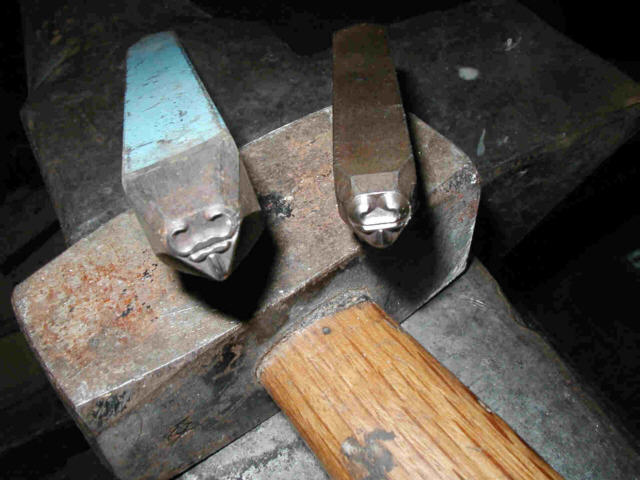 Most
of what this guidebook says about dealing with the Duergar can be found in the chapter dedicated to the
characteristics of their race. They are the absolute masters of this world; while the Dokkalfar rule in
their
forests, they are aware that they still inhabit this world at the whim of the Duergar.
Most
of what this guidebook says about dealing with the Duergar can be found in the chapter dedicated to the
characteristics of their race. They are the absolute masters of this world; while the Dokkalfar rule in
their
forests, they are aware that they still inhabit this world at the whim of the Duergar.
Visiting Nidavellir is not that difficult. The main areas of Nidavellir are a hub of trade from all the
worlds
except Helheim, and there are hundreds of visitors coming and going at any given time. The Duergar take
advantage
of this, with fairly high prices for food, drink, and the crowded displays of saleable items. Capitalism is
alive
and well in this part of the Nine Worlds, where every bit of gold eked from tourists and traders enriches
this
barren country. Assuming that you bring at least some reasonably quality goods for sale, or the means to buy
something, you can walk right in.
Duergar guides to the area are, as we have mentioned, easily for sale. They know better than to walk you
into
private homes or off-limits areas, so they are quite worthwhile. You don't generally need to worry about
being
led into a dark alley and rolled for your meager pocket change; harm done to tourists and traders is bad for
business and is sharply punished. The young Duergar who make a trade out of guiding tourists are generally
smarter than that. There is no rule, however, against constantly jacking costs for anything "off the beaten
path". That includes helping you to find certain famous names among the Duergar, and their various halls,
and
getting an introduction for the possible purpose of training or education. For each of these specialties,
the
price will go up, and it is up to you and your pocketbook as to whether it will be worth it.
Usually what travelers have come for is to shop, and the main guided tours will be the hundreds of shops in
the
main area of the city, filled with gorgeous trinkets of metalwork, woodcarving, jewelry, statuary, etc.
While
other races might make lovely things, it is agreed by all that the Duergar are better at making it,
whatever
it is. The sole exception might be fiber arts, as they must import all their fiber and it is not a common
art,
but the few Duergar women who do weave and embroider are said to make breathtaking pieces.
Not only are they highly talented as a race, their work ethic shows in everything they make. Every piece
offered for sale will be finished to the best of that dwarf's ability. The idea that they would make shoddy
work
in order to save money and cheat customers is an insult. Cheaper pieces were made by less skilled craftsmen,
perhaps apprentices still learning the trade. The Duergar guilds - in some cases more like secret societies
-
monitor all work sold to the public with their seals of approval. Quality is far more important to them than
quantity, which is why they have the reputation that they do, and why there are waiting lists for some
particularly high-demand objects.
They also have a very good idea of what their work is worth, and what the market will bear. No Duergar,
even an
apprentice, sells his labor for pennies - at least to outsiders. They will drive hard bargains; although the
buyer, thinking of his purse, may feel that the prices are unfairly inflated, to the dwarf that he is facing
it
is simply a fair measure of his time and labor. One doesn't go to Nidavellir hoping to get a bargain on
cheap
toys with a bit of glamour on them; for that, one should find an Alfar peasant-merchant with a homely little
caravan. Dwarves make high-quality luxury items, or solid practical things that will last several lifetimes
and
give good wear. Generally they will not mar the perfection of their creations with any glamour that shows
them to
be other than they are; to them, the quality of the creation should be able to stand on its own without
help, or
it should go back into the furnace to be melted down again. You can guarantee that a Duergar-make piece will
be
all that it looks and feels to be. On the other hand, they might lay a galdr on it that
subtly
calls out to passersby, attracting their attention and possibly sparking their greed, that they might
suddenly
find themselves craving the fine piece and impulsively buying it. To the dwarf, this is not such an
unethical
thing, because the workmanship is excellent and your life will be enhanced by owning the item, won't it? As
they
know a good deal about greed themselves, making a greed-galdr is an easy thing for them.
The most famous and skilled smiths, most of whom won't take commissions for mere mortals, are: The four
Lovar
brothers Dvalin, Alfrik, Berling, and Grer. The sons of the Duergar-King Ivaldi, Brokk, Eitri, and
Sindri. Andvari the Fish, as he is called in Nidavellir, and his son Narvi. The last two are your best
bet
if you want someone who will deal with human beings.
For food, they keep extensive underground caverns filled with food that can be grown in the light and heat
from
magical artificial lightning - mostly root crops - or without any light at all, such as the famed hundred
varieties of edible mushrooms (a few of which are valuable medicinals, or even hallucinogens). Duergar ale,
in
fact, is root-based, rather like vodka which is made from potatoes, rather than grain-based Vanaheim beer.
It is
said that they even make fungus-derived alcoholic drinks, but it is also said that it is unwise for the
traveler
to partake of them. Physically, the Duergar have a huge tolerance for alcohol, unrivaled even by most
average-sized Jotnar. Their sturdy bodies can burn it off at a great speed, so accepting a challenge to a
drinking contest with Duergar is extremely foolish.
Wealthy Duergar also keep herds of goats for their milk and meat; unlike sheep and cows, goats can survive
on
brush rather than grass, and they are kept in caverns and fed on branches brought in during the winter. In
the
summer, they are herded up the mountains daily for forage; Duergar goatherds are well-armed and well-paid,
as
nearly all the skirmishes between them and the Dokkalfar have come from goat-poaching. Some of the richer
dwarves
have imported pigs, raised in underground caves on roots and food scraps. Flocks of tame pigeons are the
most
common livestock, flying out daily through vent-holes in the caves and returning to underground roosts where
their droppings are added to the underground gardens. Some poorer Duergar use and eat bats in the same way;
it is
a sign of the rather tenuous peace with the Dokkalfar that one of the names for a livestock bat is also
applied
to their elven neighbors.
Accepting food and drink from the Duergar is generally safe; it is very rare that they would attempt to
poison
or ensorcel someone with food. That's much more of an Alfar danger. At worst, they might try to get you
drunk and
then chivvy you into agreeing to something that you wouldn't dream of accepting while sober. Since turning
down
their gifts - including liquor - is considered terribly rude, you might try investing in a magical tankard
that
turns all liquid to water as soon as it is poured in. Make it sturdy-looking but not that attractive, so
that it
won't flag their covetous interest; you might put a sloppily sentimental line about some fictitious ex-lover
on
it as an excuse for only drinking out of that one cup. Another possibility is to provide them with a
small-to-moderate quantity of very excellent alcohol, which you will be excused from imbibing in order that
there
be more for them.
Gifts - or payment, if you wish to buy from them - should come in the form of raw materials for their
craftwork, especially things they don't have access to - exotic gems and precious stones, pure precious
metals,
shells, raw or spun fiber, fine hardwoods. You can also bring them food and drink, especially bread, fruit,
and
sweets, or herbs and spices. If you trade, be prepared to bargain hard, but remember that they will not take
less
than they think their work is worth.
Durin's Hall
Durin was one of the Eldest of the Duergar Fathers. He built the World-Mill to create fertile soil in
Svartalfheim, but it did not work for him, and was eventually bought by Frey, who is far more skilled at
using
it. He (along with his friend and partner Dvalin) was also the crafter of the cursed sword Tyrfing of
Germanic
legends. Durin was chosen as the first chieftain of the Duergar, and his memory is still loved and
revered. His
death is considered unlucky to speak of for some reason, unless you are one of his close relatives, and
even
they are closemouthed about it. His hall is one of the grandest cavern-mazes in Nidavellir, but rather
than
keeping it as a private hall or passing it along to the next chieftain, his relatives decided instead to
open it
to the public as a place of respite and peace.
To stay in Durin's hall is quite possible, but rather expensive unless you are a friend of the family.
The
atmosphere is somewhere between a high-class hotel and an ashram, with bubbling hot springs and quiet,
peaceful,
beautifully carved caverns glittering with lights and mica mosaics. Don't disturb the quiet by making a
ruckus;
if you want to do that, getting a room at a local tavern will give you plenty of noise and partying.
Dvalin's Halll
Dvalin is one of the most powerful Duergar in Nidavellir, and the most skilled runemal in that world. He
is
actually half-Jotun, as his father was the famous Mimir, who had an affair with the famous Duergar-woman
Lovar,
and sired Dvalin and his three brothers, Alfrik, Berling, and Grer. Dvalin's daughters (for he had several
wives) became the progenitors of the Lovar family of dwarves. The four of them are a sort of corporation,
creating beautiful items on commission. Their most famous creation was Brisingamen, the fairest necklace
in the
world. Freya desired it, and paid for it by spending four nights making love to the brothers. Even though
they
didn't get a single piece of gold for it, they still consider it to be their greatest sale.
At first, Dvalin was just a powerful Duergar-lord in Svartalfheim, and then through a miracle of
near-death at
the moment of Odin's torment on the Tree, he received the Duergar-runes into his hands. He taught them
only
sparingly, to a secret society of hand-picked Duergar, and eventually he mysteriously vanished, only
returning
home a few times during the long Svartalfheim year. His family know where he is, as do many of his people,
but
it is considered bad luck to speak of it. What happened is that he - along with a Jotun, an Alf, and a
mortal
man - shapeshifted into one of the Deer of the World Tree, who guard the paths of energy so that no one
else can
rip open Ginnungagap and bring in what they choose.
It is very rare to find Dvalin at home, as he does not answer pleas for aid that have to do with Duergar
matters - he considers his other work to be more important, and figures that there are enough of his
people
around who could answer any ordinary question quite handily. If your problems are issues relevant to his
other
job - which would be very serious issues indeed - you won't have to travel to Svartalfheim to talk to him
about
it. Indeed, he would more likely show up no matter where you are, accompanied by his three co-workers.
None of
the others - Dain the Alf, Duneyr the Midgardian, and Durathor/Asvid the giant - bother to keep earthly
halls or
realms any longer; Dvalin was the only one of the four who had an extensive family to keep his hall going,
and
so he visits his descendants periodically. Among the Duergar, he is treated with quiet reverence, rather
like a
living saint - the first and greatest of the Duergar runemasters. If you catch him at home, don't bother
him
with petty issues; he is busy with greater matters and would rather spend his precious home time playing
with
his great-great-grandchildren. Pay your respects, leave a gift (which he will probably pass on to his
family, as
alone among Duergar he has rather gone beyond a need for material objects) and go.
His hall is administered in his absence by his three bachelor brothers, who are still acclaimed as some
of the
best master craftsmen among the Duergar, and are decent runemasters as well. They have extensive workshops
in
the hall, with many apprentices learning under them. If you have questions about craft, it is better to
approach
them, as they are still very much in the family business. Don't ask them rude questions about their nights
with
Freya; they consider it a sacred subject and will not have their memories degraded by lewd gossip.
Aurvangar
Aurvangar is the place in Joruvellir (an area of Svartalfheim's surface claimed by the Duergar) where
grave-mound of Svarin and Lovar is found, from which came the Lovar family of Duergar. They were the
first
Duergar couple to mate and have a child together, although both often took other lovers. Aurvangar
refers to
both the above-ground and the underground areas. The great grave-mound towers in the midst of the flat
area;
theirs is the only above-ground grave of a famous Duerg. It is usually covered with offerings, and is
guarded
- a hidden door to Nidavellir, with guards who watch over the grave, is nearby in the mountainside.
The grave-mound lies near Juruvale Marsh, the only place in Svartalfheim with wetlands, and the only
sacred
bog. It is used by both races to drop offerings. The Duergar generally drop in items, and the
Dokkalfar
generally drop in freshly murdered bodies. They try to make their visits not coincide with each other.
Ivaldi's Hall
Ivaldi is the Emperor of the Duergar, also called "Vidfinnar" and "Svigdar", both nicknames referring
to his
ability as a champion drinker. His children by his first (Duergar) wife are the champion craftsmen
Brokk,
Eitri, and Sindri. With his second wife, the Aesir Valkyrie Hildegun, he sired Iduna, Bil, and Hjalfi.
Hildegun was captured coming off of a battlefield by Ivaldi and his men, who took her as an
inadvertent prize
of war. The story is unclear as to whether she stayed with him so long by force or choice, or first
one and
then the other.
Ivaldi is a tall (for his race) Duergar with dark skin, long black hair, and a long jet-black beard
that he
is quite vain about. He is handsome, in a hook-nosed, craggy way, and he is quite brilliant; he did
not get to
be the emperor of his canny, fractious race through accident. He holds the title of Emperor - a rather
pretentious title, given that the Duergar hold only one world - by wealth, bribery, force of arms, and
general
charisma. He is also one of the greatest sorcerers among the Duergar. He is the son of Svarin and
Lovar, and
thus of Lovar family descent, and the half-brother of Dvalin.
He lives surrounded by a court full of his kinsmen, including his umpteen Lovar brothers and sisters
-
Draupnir and Dólgthrasir, Hár, Haugspori, Hlévangur, Glói, Dori, Ori,
Dufur,
Skirfir, Virfir, Skáfidur, Ái, Eikinskjaldi, Frosti, Finn and Ginnar. His brother
Andvari has
his own hall, and his brother Yngvi fled to Niflheim where he is the custodian of Fenris. His
remaining two
brothers, Fjalar and Galar, were the infamous pair who were exiled due to their habit of murdering
people, and
eventually killed Kvasir the Vanir in order to make the Mead of Poetry from his blood.
Ivaldi's Hall is located high in one of the mountains; it is not difficult to get in, but seeing him
personally is less easy. If you speak to Ivaldi, make sure that you gift him as the King that he is.
He is
canny, and his first thought about anyone he meets is how he can best use them to further his ends, if
it is
possible. However, he is not an unfair man, and will return fair service with fair accounting. Like
many
skilled leaders in the Nine Worlds, he is good at telling when someone is lying to him, so don't blow
yourself
up or exaggerate your powers or abilities. He will just look right through you with those cynical dark
eyes
and you will feel like shriveling up. His courtiers enjoy a good song or story, but he is more
interested in
news of the outside worlds, any of them.
Byrgir
This is an empty well standing on a mountaintop in Svartalfheim. At one time it poured forth magical
waters
that gave the gift of poetic power and ecstasy, but Ivaldi magically emptied it, which stopped its
flow and
ensured that the holy water was in limited supply, and thus more valuable. When Ivaldi's brothers
Fjalar and
Galar came to him with Kvasir's blood, he lent them enough water to make the blood into the Mead of
Poetry,
intending on a share of it. However, they fled with the Mead of Poetry and Ivaldi's price on their
heads and
curse at their backs, saying that they would not live another six turns of the Moon - which was true,
as
Sutting hunted them down and killed them soon after for the spiteful murder of his parents.
While their mother, Hildegun, was still a prisoner at Ivaldi's court, her three children were hostage
to her
safety. The eldest, Iduna, escaped to Asgard where she became the gardener-goddess there. The younger
two,
Hjuki and Bil, a daughter and son, had the job of bringing back buckets of holy water from Byrgir, a
job which
Ivaldi would not entrust to anyone else. He thus slowly emptied out the well and sold its contents bit
by bit
to the Aesir. On the last trip, however, when the children were dredging up the very last bucketful,
the
Moon-god Mani (whom the Duergar name Nepur) seized them and the bucket up to the sky. (This story is
said to
be the basis of the "Jack and Jill" rhyme.) The Moon-god had a history of attempting to rescue
children from
mortal parents who abused them, but he had not counted on their father Ivaldi, the Emperor of the
Duergar and
a determined and powerful sorcerer.
The tale goes that Ivaldi chased the Moon across the sky through many worlds in pursuit of his
children, and
finally caught up with him under a mountain. He fought Mani with singleminded wrath and a great axe,
and the
frightened Moon-god (never much of a warrior) fell back before the Duerg-King and yielded. Ivaldi
reclaimed
his children and his holy water, and returned to his hall in Nidavellir. There, with an empty well and
weeping
children, he reconsidered, decided on mercy, and allowed Hildegun and their children to go to Asgard.
Bil
later renamed herself Saga and became the goddess of lore, and one of Frigga's handmaidens. Hjuki, on
the
other hand, returned to his father's side where he lives mostly at court, and is Nidavellir's
ambassador to
Asgard.
The empty well is something of a shrine to the Duergar, and they throw offerings down into it. They
also
throw in gravel and sand and concrete, in order to discourage people from climbing down and stealing
the
offerings.
Andvari's Hall
The Duergar Andvari is one of the top ten smiths in Nidavellir, and one of the few who will actually
take
commissions from non-divine people, if you are willing to pay his extremely high prices. He
specializes in
jewelry, although he is quite capable of forging anything from pots to armor. Andvari seems to be
fonder of
humans than many other of the Duergar. Indeed, he is an odd sort of Duergar, much given to wandering
about in
his earlier days, and he used to hole up in a pond by a waterfall in Jotunheim, where he would change
himself
into a salmon. His treasure was hidden behind the waterfall. The Duergar have many tales about their
folk
doing such things - temporarily hiding out with one's hoard in a paranoid fear of being robbed - and
it is
referred to as "dragon disease", in memory of the half-Duergar Fafnir who turned himself into a dragon
in
order to better guard his hoard. Generally it is considered a kind of temporary insanity that one
outgrows,
with the implied idea that the powers of Wyrd will set you up to lose such hoarded treasure anyway, as
is what
happened with Andvari.
Currently, Andvari keeps a hall in Nidavellir with his several grown sons. Narvi, the eldest, is a
fine
smith in his own right. He has close ties with Loki, who named his own ill-fated eldest son with Sigyn
for
him. He drives a hard bargain for work, so be careful and stay sober when negotiating with him.
Hall of the Four Directions
This is less a hall than a temple. While the Duergar have few buildings that could be considered
temples or
shrines - their worship is more of a homely sort of thing, done in privacy by families - the biggest
exception
is the Hall of the Four Directions, a sort of ongoing architectural artwork dedicated to the Dwarves
of the
Four Directions, who guard the far corners of the World Tree. These entities are not actually Duergar
- at
least according to the Duergar themselves - but greater deities invoked into the Nine Worlds by Odin,
who set
them to guarding the four directions.
According to Duergar myth, they looked down at the various races inhabiting the Nine Worlds and
noticed that
the Duergar seemed to have gotten the worst of things. The Aesir, the Vanir, the Alfar were all
powerful and
beautiful, with lovely worlds near the top of the tree. The Jotnar, for all they had been
disenfranchised,
were the most numerous and still claimed the most land - four worlds' worth. The Duergar, on the other
hand,
were scorned as mere maggots, cast into the darkness of the lower limbs of the Tree through a power
struggle
they did not understand and had no part in; struggling to carve a living out of a cold world of
mountains. The
four Guardians admired their strength and persistence and creativity, and chose to take on the form of
dwarves
themselves in honor of their favorite race. The Duergar revere them as Gods, and swear their most
sacred oaths
by their names - Austri, Vestri, Sudri, Nordri.
The temple itself takes up the entire top section of one of the highest mountains in Svartalfheim.
The
central chamber is perforated with many glassed windows to let in light, and the four wings spreading
out from
it are each decorated with statuary, mosaics, and some of the most amazing and intricate carving in
the Nine
Worlds - all in honor of the Four Guardians. Austri's wing is themed as a field of spring flowers,
with every
petal a jewel inlaid in a stem of precious metal. Sudri's wing is filled with more gold than is seen
in any
one place in the Nine Worlds, with a great golden sun filling the whole ceiling, and a floor like the
iridescent ocean itself. Vestri's wing is decorated like a multicolored autumn, with entire trees
built of
copper twigs and leaves of precious stones, the floor a stone mosaic of a forest floor. Nordri's wing
is
decorated in silver and alabaster and thousands of glittering crystal gems, with a ceiling of blued
steel and
a marble floor so slick that one could skate on it.
The Duergar are constantly adding tiny bits to this living, growing sculptural temple; the four wings
keep
expanding outward and becoming more glorious. They are generally pleased to have people visit their
great
temple of devotion, as it is a noted tourist attraction. If you go, bring an offering, but give it to
the
temple keepers; don't lay it in the temple itself. Only the finest offerings are eventually added to
the
permanent temple, and to assume that yours is worthy would be considered an act of hubris. No one ever
steals
anything while there; they wouldn't dare. If so much as a petal was removed from a gemmed flower, the
horde of
praying Duergar who were visiting that day would rend them to pieces for the great insult.